
A PLACE FOR QUESTIONS & DISCOVERY
For Our Children
Discover, create, and learn together.
Heritage grows through the questions we ask, the stories we share, and the things we discover together. Explore Caribbean places, meet makers, listen to language learners, and try activities with someone who cares for you.
Come as you are. Every family follows a different path; you can begin with one small question. Taíno people are part of the present, too.
Age ranges are suggestions. Choose what feels comfortable; looking, listening, talking and drawing are all ways to join in.
01 · EXPLORE TOGETHER
Our island connections
Choose a number on the map or a place in the list. The Caribbean includes different Indigenous peoples and histories. Not every island or community is Taíno.
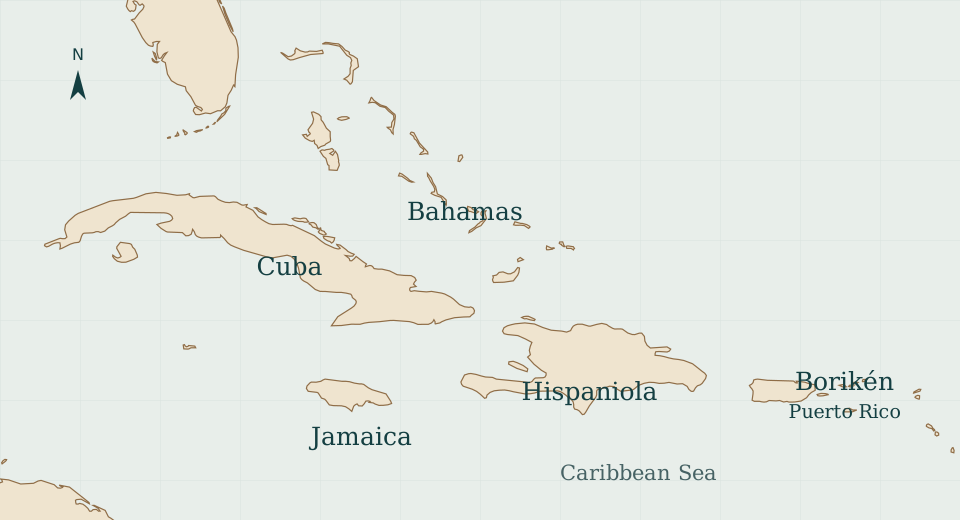
The map and list open the same information. Present-day names; no historical boundaries shown.
Cuba
Cuba is a large Caribbean island with many histories. Taíno communities lived in parts of Cuba before European colonization.
One fact: Cuba is part of the Greater Antilles.
Learn more →Map: Taíno Minnesota design using public-domain Natural Earth data. Source & license
02 · LOOK CLOSELY
Meet the makers through their work
We do not know these makers’ names. Their work gives us questions to explore—not invented stories about their lives.
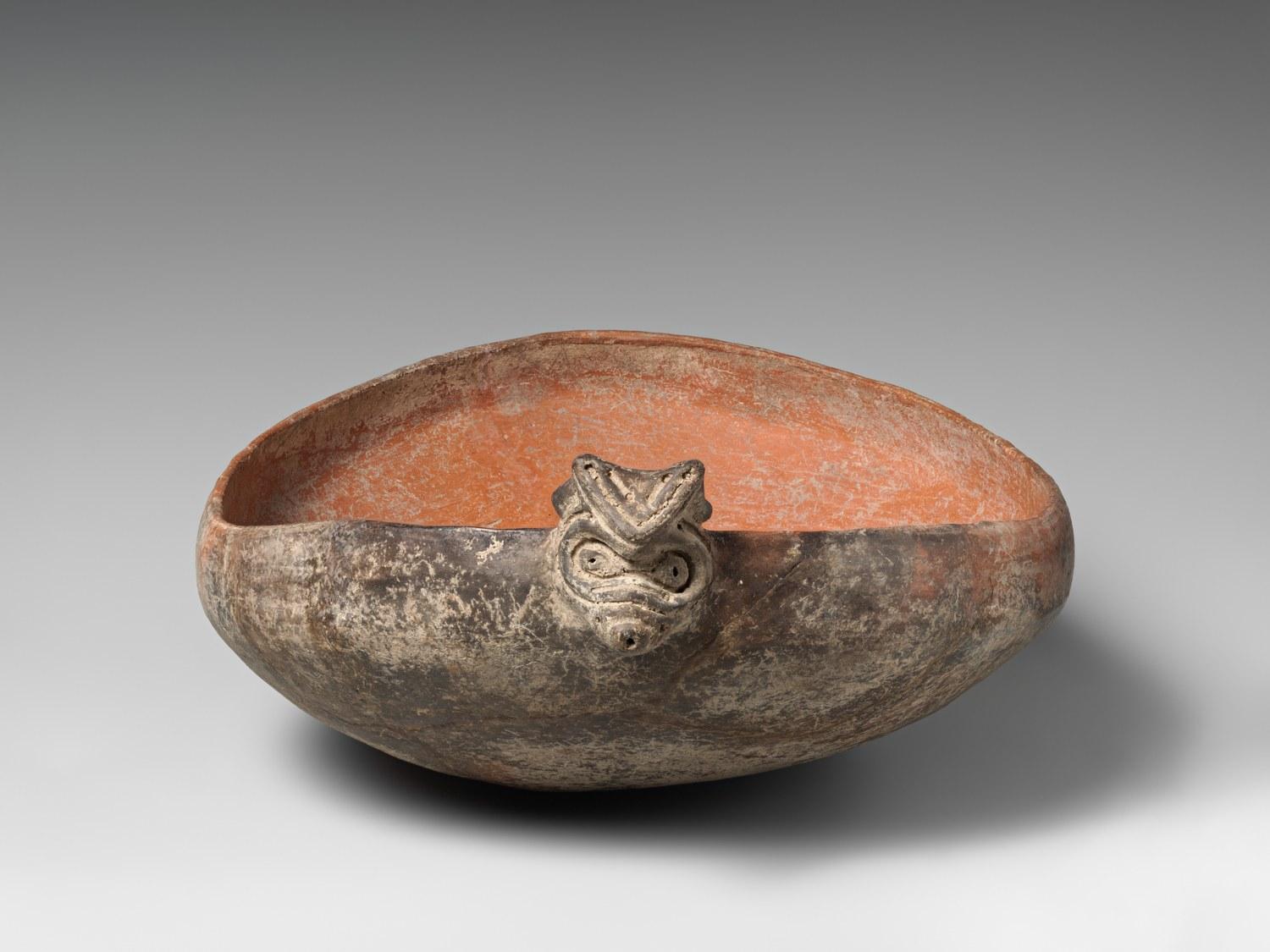
A potter shaped clay into a broad bowl and added a face at the rim. Its exact use is uncertain.
Maker unrecorded · 13th–15th century · Ceramic · Dominican Republic · Taíno
Object record & photograph credit
The Metropolitan Museum of Art, 1984.201. Purchase, Mary R. Morgan, Mary O'Boyle II and Mr. and Mrs. Frederick E. Landmann Gifts; The Michael C. Rockefeller Memorial Collection, Gift of Nelson A. Rockefeller and Bequest of Nelson A. Rockefeller, by exchange, and Gift of Nathan Cummings, by exchange, 1984
Photographer unidentified in the record. Documentary photograph; resized and JPEG compressed, without retouching.
What would you ask the potter?
What shapes do you notice? How might this bowl have been used? What can we see, and what remains a question?
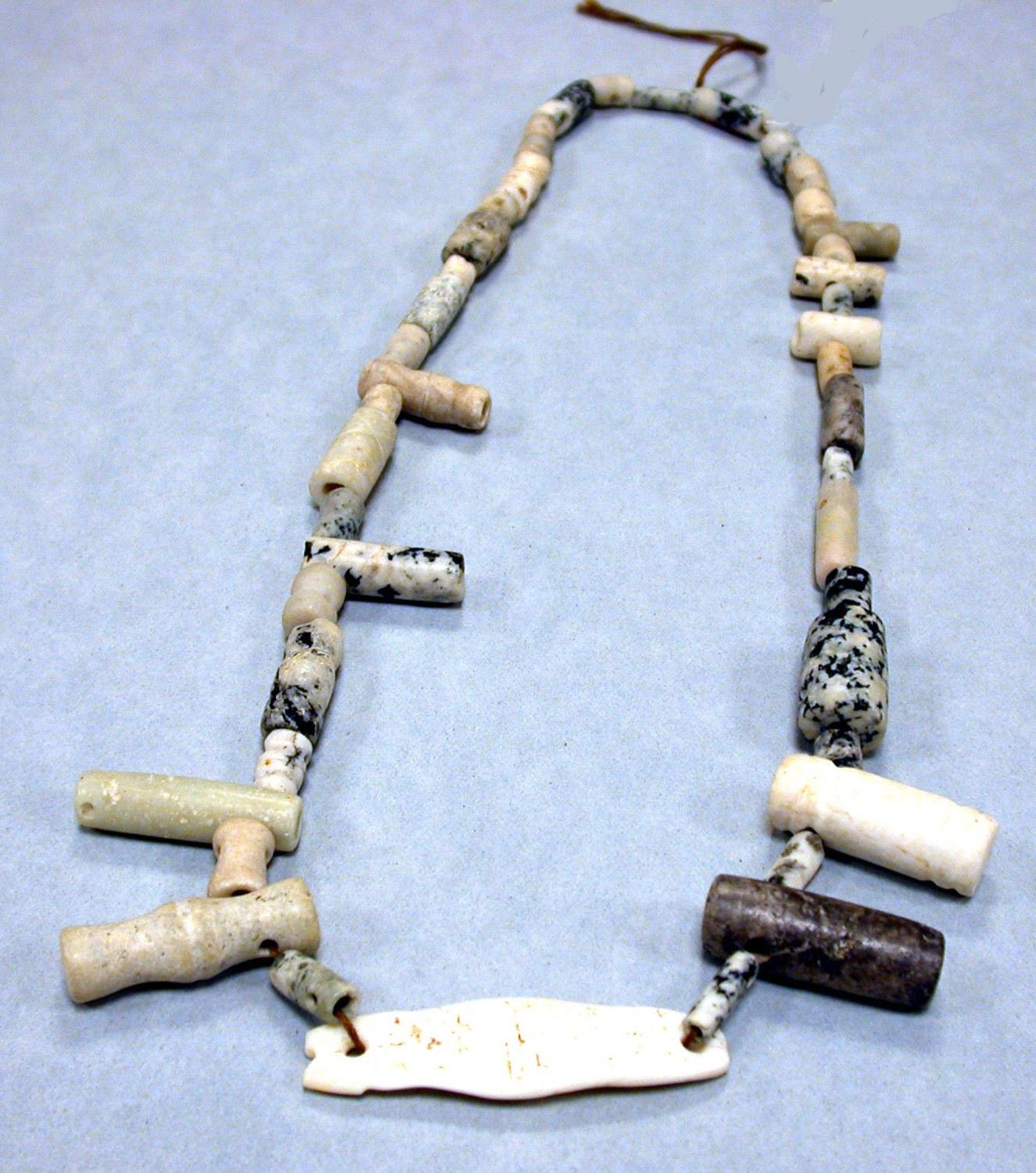
Shell can become beads and pendants. Look for small holes and shaped surfaces.
Maker unrecorded · 10th–15th century · Shell · Dominican Republic · Taíno
Object record & photograph credit
The Metropolitan Museum of Art, 1984.519.2. Gift of Mr. and Mrs. Reynold C. Kerr, 1984
Photographer unidentified in the record. Documentary photograph; resized and JPEG compressed, without retouching.
What materials do you notice?
How could a cord pass through these holes? We do not know the name of the person who wore this.

Fibers & hammocks
Historical accounts describe cotton work and hammocks. This new diagram shows a hanging shape; it is not a museum photograph or a recovered weaving pattern.
What would you ask a weaver?
How do many small fibers make something strong? What would you like to learn about making?
Original contemporary diagram · Taíno Minnesota
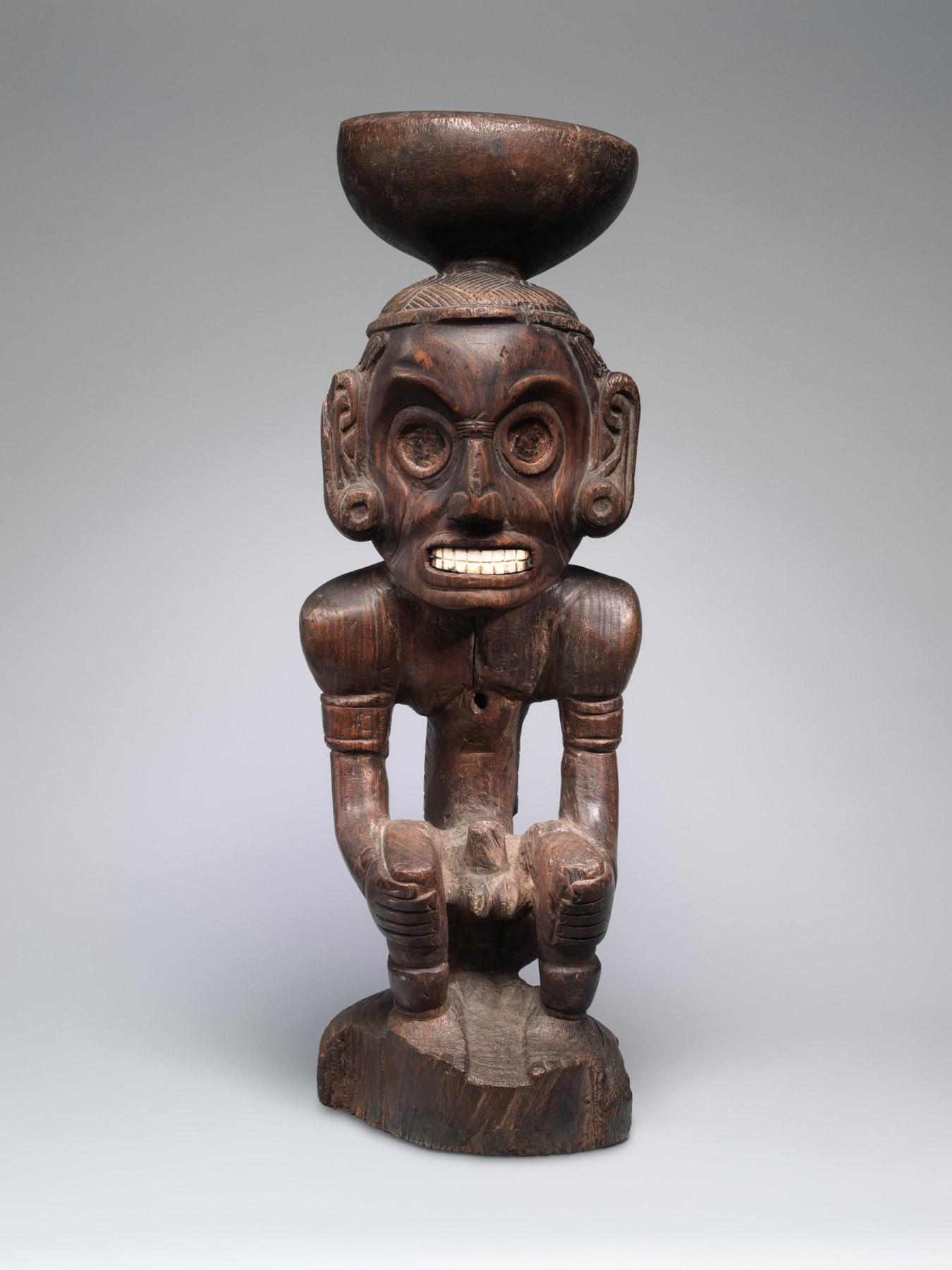
A carved ceremonial work
This museum object is called a Zemí cohoba stand. It belongs to spiritual and ceremonial history. We can look respectfully without turning it into a toy or pretend ceremony.
Maker unrecorded · ca. 1000 CE · Guaiacum wood and shell · Taíno · Dominican Republic (?). The Met, 1979.206.380. The Michael C. Rockefeller Memorial Collection, Bequest of Nelson A. Rockefeller, 1979. Object record · CC0. Documentary photograph; photographer unrecorded. Resized and compressed.
03 · LISTEN & LEARN
Words to discover
People are working in different ways to help ancestral language knowledge grow again. These learning projects sometimes use different words and spellings. We keep their learning paths separate.
Casa Areyto · introductory project context, in English. Priscilla Colón is the educator behind Casa Areyto’s course with 7000 Languages; its Tainonaíki framework draws on Javier A. Hernández’s work. These are contemporary learning materials, not recordings of historical Taíno speech. This lesson has no verified captions; read the project context below with a grown-up.
Watch on YouTube · Source & contextYouTube connects when you load the video. It may collect data and show ads or recommendations. No autoplay.
Tainonaíki · Casa Areyto
Begin with the provider’s introduction and free course. Keep this project’s words and spelling together. A grown-up can help read the English-language instructions.
Course providerOther learning paths
Our Language page introduces Hiwatahia–Hekexi, Gu’ahia Taíno and other documented efforts. They have their own teachers and methods. We do not combine them into one phrasebook or generate pronunciation recordings.
Meet the language projects →04 · COMMUNITY LEARNING IN PUERTO RICO
Learning together in Borikén: Naguake
Naguake describes itself as a Taíno-Jíbaro community. Its website records learning that brings schoolchildren, families and community members together around language, cultural identity, crafts, music and the environment. This is the community’s own account of its work.
A record with dates
- 2004–2012: Indigenous cultural reeducation programs described on the School Programs page.
- 2009: the community describes visiting students from Yabucoa and Maunabo taking part in learning at its center.
- 2014: the site documents a cultural-linguistic exchange with Jamaican Maroons and school activities.
- 2015: the archive describes language classes and craft workshops. Its site title identifies the wider 2004–2018 period.
For grown-ups
This archive does not verify present-day enrollment, accreditation or program availability. “Arawak Taíno” is the archive’s terminology; it is not automatically Tainonaíki. Some materials include Christian prayer and community-specific spiritual perspectives. These do not speak for all Taíno people. No partnership with Taíno Minnesota is implied.
Explore the program record with a grown-up. Full playback and age-suitability review of the classroom videos were not completed. No separate children’s photographs or names are copied.
Uploaded by Yarey Melendez; embedded in Naguake’s 2004–2018 community archive. Contemporary classroom language-learning context using the archive’s “Arawak Taíno” terminology, not historical speech or a verified current program. Capture date and captions are unverified. Full playback and age-suitability review were not completed; watch with a grown-up.
Watch on YouTube · Source & contextYouTube connects when you load the video. It may collect data and show ads or recommendations. No autoplay.
05 · FOOD EXPLORERS
Roots, grains and fruit
These foods appear in our sourced Foodways page. The pictures are new educational illustrations, not photographs from the past. Choose an answer, then see what you noticed.
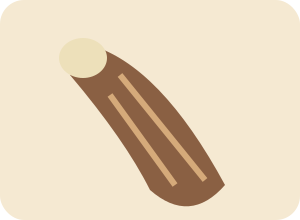
Cassava
Cassava is a root crop. Casabe is made from specially processed cassava; it is not raw cassava.
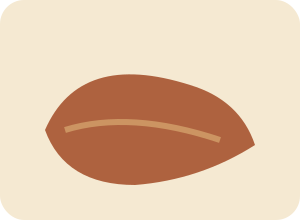
Batata
Batata is sweet potato, a different plant from cassava.
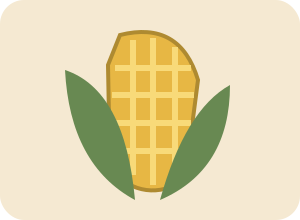
Maize
Maize kernels grow on an ear.
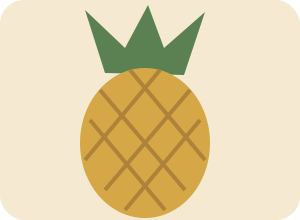
Pineapple
The pineapple plant produces a fruit above the ground.
Take your time. You can answer with a grown-up.
Original contemporary illustrations · Taíno Minnesota. Historical ingredients are different from a contemporary meal. A grown-up handles cooking: do not taste raw cassava, gather unknown plants or prepare medicinal plants. No untested recipe instructions are linked here.
Explore Foodways →06 · STORIES WE CAN SHARE
Our family stories
Choose one question. Talk with a relative or trusted adult, or draw something you hope to learn. You may also explore a public story together. You never need to prove ancestry or know a complete family history.
What foods did you enjoy growing up?
Who taught you to make something?
What places matter to our family or the people we care about?
What story would you like to pass along?
What are you curious to learn?
Save the file or open it and choose Print. No answers are collected or saved by this website. You can write, draw, speak or pass on a question.
07 · CREATE SOMETHING OF YOUR OWN
Make, notice, imagine
These are contemporary learning activities inspired by materials and making. They do not reproduce exact ancestral techniques. Make an everyday object or your own design—not a sacred-object replica, costume or pretend ritual.
Paper weaving
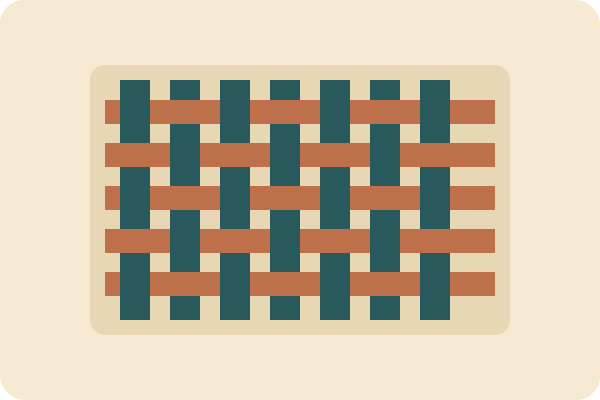
Ages 4–7 together; 8–12 independently with help as needed
Materials: Wide paper strips, a sheet of paper, tape, child-safe scissors
- Fold the base sheet. Leave a border and ask a grown-up to cut parallel slits. Unfold it.
- Pass a strip over one band, then under the next.
- Start the next strip the other way: under, then over. Tape the ends.
- Notice the pattern. Change the widths or draw your own design.
Original contemporary example · Taíno Minnesota
A bowl pattern on paper
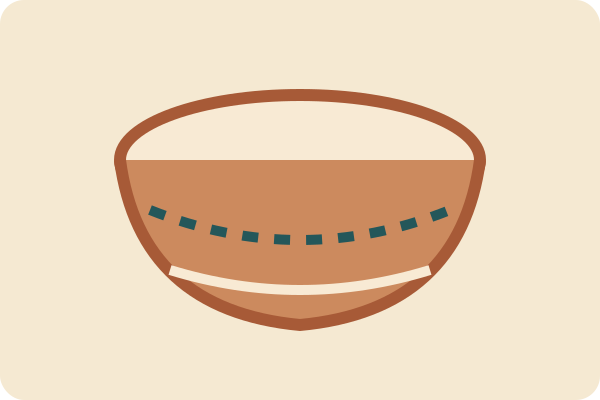
Ages 4–12
Materials: Paper and crayons or pencils
- Draw a wide oval for a bowl and a curved line underneath.
- Choose everyday shapes: dots, lines, waves or leaves.
- Repeat or vary them around your bowl. Give your new design a title.
Original contemporary example · Taíno Minnesota
Model an everyday vessel
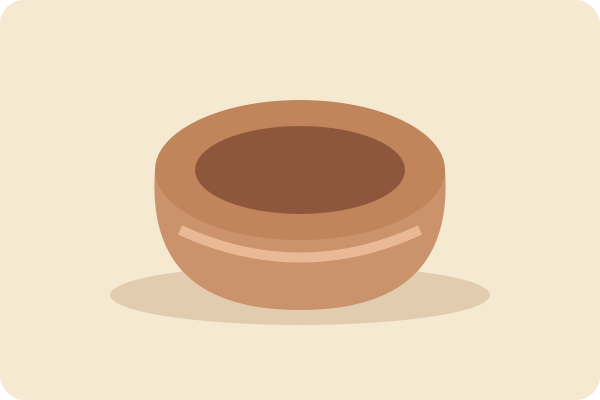
Ages 4–12 with a grown-up
Materials: Non-toxic modeling dough labeled for the child’s age; a washable surface
- Roll a ball and gently press a hollow in the center.
- Pinch the sides slowly to make a small container.
- Smooth it with your fingers or a safe tool. What could a container hold?
Original contemporary example · Taíno Minnesota
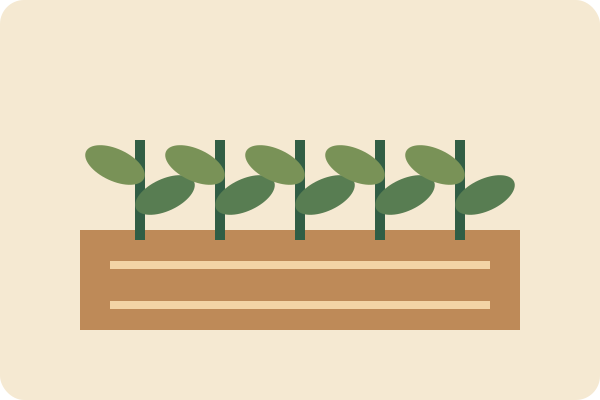
Draw a food garden
Ages 4–12
Materials: Paper, pencils and the ingredient pictures on this page
- Choose a food from the cards. Imagine space for it to grow.
- Draw the garden, water and paths for people to care for it.
- Talk about who could help care for this place.
Original contemporary example · Taíno Minnesota
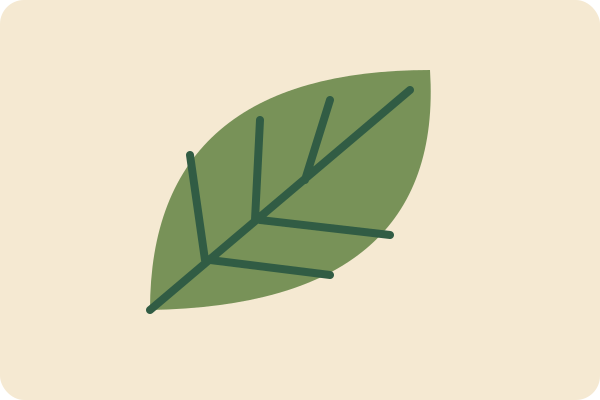
Observe a natural shape
Ages 4–12 with a trusted adult outdoors
Materials: Paper and pencil; a safe place to observe
- Choose a leaf shape, cloud, water reflection or shadow to observe.
- Sketch, describe or gesture what you notice.
- How could people care for this place? Share one idea.
Original contemporary example · Taíno Minnesota
08 · LIVING VOICES
People carry heritage in different ways
Artists, educators, families and community members have their own stories. Listen to how each person describes their identity. One person does not speak for everyone. Our Taíno Today page links to documented contemporary voices; explore it with a grown-up.
Explore living Taíno voices →09 · CARE FOR PLACES
Notice the world around you
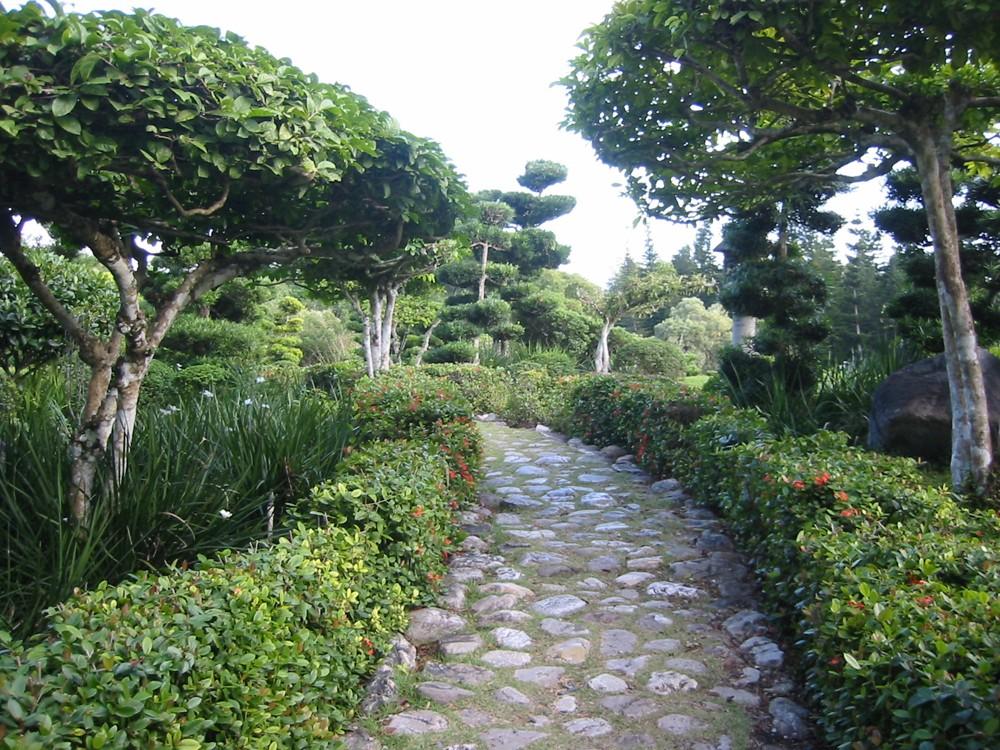

With a trusted adult, notice what grows nearby, draw what you see, or listen to sounds. Looking through a window counts, too. Ask: how do people care for this place?
Stay in safe places. Do not pick unknown plants, taste wild foods, approach wildlife or enter unsafe water. Leave archaeological carvings untouched: no chalk, tracing or rubbing.
For grown-ups: Reef Bay rock imagery10 · BIG QUESTIONS, GENTLE ANSWERS
It is good to wonder
Who lived in the Caribbean before Columbus?
Many Indigenous peoples lived there, including Taíno communities in parts of the Greater Antilles and neighboring islands. Different places had different peoples, languages and histories.
For grown-ups: learn more →What happened during colonization?
European colonizers took land and forced people to work. Violence and new diseases harmed many families. Indigenous people resisted and found ways to care for one another and carry knowledge forward.
For grown-ups: learn more →Are Taíno people here today?
Yes. People and communities identify as Taíno today, in Caribbean homelands and beyond. They do not all share the same experiences, practices or views.
For grown-ups: learn more →Why do language-learning projects differ?
The old written record is incomplete. Today’s projects make different choices about words, spelling and grammar. Learn from a project’s own teachers instead of mixing their systems.
For grown-ups: learn more →How do families carry heritage forward?
Through stories, food, making things, language, care and time together. A trusted adult or public story can be a starting point when family stories are unavailable.
For grown-ups: learn more →Can I begin if I know very little?
Of course. Questions are a wonderful beginning. You do not need documents, DNA results or a complete family tree to learn here.
For grown-ups: learn more →